서 론
농업 분야에서는 농업 인구 감소, 고령화 및 해외시장 개방 등의 문제를 해결하고 새로운 성장동력을 확보하기 위한 방안으로 스마트팜을 주목하고 있다. 초기의 1세대 스마트팜 기술은 농가에서 노동력이 많이 투입되는 작업을 자동화해주는 기기 위주로 개발되었으며, 이후 유·무선 통신이 적용되어 PC나 휴대폰으로 원격에서 기기의 상태를 모니터링하고 제어할 수 있는 형태로 고도화 되었다. 최근에는 데이터를 기반으로 한 2세대 스마트팜으로의 전환을 추진 중이다. 2세대 스마트팜 기술은 생산성 향상을 목적으로 하며, 농장에서 발생되는 데이터를 기반으로 농장관리에 대한 의사결정을 지원해주는 형태로 개발되고 있다(Jang et al., 2022; Kim and Yeo, 2022; Kim and Huh, 2015; Kim et al., 2023; Lee et al., 2023; Yang et al., 2020). 스마트팜 기술이 발전하고 데이터의 중요성이 강조되면서 농업 분야에서도 표준화의 중요성이 커지고 있다(Lim et al., 2022).
표준화는 일상적이고 반복적으로 일어날 수 있는 문제를 주어진 여건하에서 최선의 상태로 해결하기 위한 일련의 활동이며, 이러한 활동에 필요한 합리적 기준이 표준이다(KATS, 2014). 표준은 대상과 범위에 따라 단체표준, 국가표준, 국제표준 등으로 구분된다.
축산 스마트팜 분야의 국제표준은 IoT 기반의 축산 스마트팜 구조 및 요구사항을 규정하는 표준이 있으나(ITU-T, 2022), ICT 기기 및 데이터의 품질과 호환성에 관련된 표준은 없는 실정이다. 반면에 국내표준은 분진이 많고 습도와 암모니아 가스 농도가 높은 축사 환경에서 장치가 잘 동작될 수 있도록 스마트팜 기기와 데이터의 품질 및 호환성을 높이는 표준화 활동이 활발히 이루어지고 있다(Yeo and Kim, 2019; Lee et al., 2021; Kim and Yoe, 2022). 하지만, 아직 농림축산식품부의 정책사업과 연계해서 활용될 수 있는 국가표준은 2023년 기준 총 5건으로 매우 부족한 상황이다.
본 고에서는 축산 스마트팜 기기와 데이터의 품질 및 호환성 향상을 위해 개발되고 제정된 국가표준 현황과 주요 내용에 대해 살펴보고, 향후 표준화 전망에 대해서 소개하고자 한다.
스마트팜 국가 표준화 개요
국가표준은 국가 사회의 모든 분야에서 정확성, 합리성 및 국제성을 높이기 위하여 국가에서 통일적으로 준용하는 과학적, 기술적 공공 기준을 의미한다(RRA, 2018).
국내 국가표준은 한국산업표준(KS: Korean Industrial Standards)을 말하며, 국가기술표준원에서 담당하고 있다. 국가기술표준원에서는 일부 산업 분야의 경우 해당 분야의 특성을 고려하여 표준 제정·고시 권한을 관련 정부 부처에 위탁하여 운영하고 있으며, 스마트팜 분야의 경우 농촌진흥청(RDA)과 국립전파연구원(RRA)이 관련 권한을 위임받아 국가표준을 제정하고 고시하고 있다.
농촌진흥청(RDA)과 국립전파연구원(RRA)은 표준화 요소 발굴, 표준 문서 검토 및 산업체 의견수렴 등 스마트팜 분야 표준 개발을 지원하고 활성화를 유도하기 위해 표준화 포럼을 운영하고 있다. 농촌진흥청(RDA)은 한국농업기술진흥원(KOAT)과 함께 2017년부터 ‘스마트팜ICT융합표준화포럼’을 운영하고 있고 국립전파연구원(RRA)은 한국정보통신기술협회(TTA)와 함께 2014년부터 ‘농식품ICT융합표준화포럼’을 운영하고 있다((Yeo and Kim, 2019; Lee et al., 2021).
Figure 1은 국가표준 제정 과정을 보여준다. 국가표준 개발은 주로 단체표준을 고도화 하거나 국제표준을 부합화하는 방식으로 이루어지고, 개발된 표준은 표준화 포럼에서 전문가 의견수렴을 통해 보완된다. 표준 제정을 위해서는 전문위원회, 기술심의회, 표준회의 등 산업표준심의회의를 심의를 통과해야 하며, 이 과정에서 표준의 적정성, 중복성 및 일관성에 대한 검토 및 보완이 이루어 진다.

Figure 1.
National standard establishment process.
축산 스마트팜 국가표준 제정 및 활용 현황
2023년 기준 현재까지 축산 스마트팜 분야에서 제정된 국가표준은 Table 1과 같이 총 5건이 있다. ‘스마트축사 센서 인터페이스(KS X 3279)’는 한국정보통신기술협회(TTA) 단체표준을 고도화 하여 국가표준으로 개발되고 제정되었으며(RRA, 2020), ‘축산 사양관리기기 데이터 수집 기준(KS B 7956-1~4)’은 1부-공통사항, 2부-돼지, 3부-소, 4부-닭으로 구성된 시리즈 표준이며, 한국농업기술진흥원(KOAT) 단체표준 고도화를 통해 개발되고 제정되었다(RDA, 2022; RDA, 2023).
Table 1.
|
Code
|
Name
|
Date
|
|
KS X 3279
|
Sensor interface for smart livestock barn
|
2020.11.11
|
|
KS B 7956-1
|
Livestock feeding equipment–criteria for data collection–Part 1: common aspects
|
2022.12.27
|
|
KS B 7956-2
|
Livestock feeding equipment–criteria for data collection–Part 2: swine
|
2022.12.27
|
|
KS B 7956-3
|
Livestock feeding equipment–criteria for data collection–Part 3: cattle
|
2023.10.27
|
|
KS B 7956-4
|
Livestock feeding equipment–criteria for data collection–Part 4: chicken
|
2023.10.27
|
농림축산식품부에서는 스마트팜 분야 국가표준의 확산을 위해 ‘스마트팜 ICT기자재 국가표준 확산 지원사업’을 추진 중이다. 농산업체들이 국가표준을 적용할 수 있도록 컨설팅, 시제품 제작 및 제품 개선, ICT 기자재 검정 비용 등을 지원하고 있다. 축산 분야에서는 Table 1에 나타난 5개의 국가표준이 해당 사업에 포함되어 활용되고 있다.
축산 스마트팜 국가표준 주요 내용
1. 스마트 축사를 위한 센서 인터페이스(KS X 3279)
이 표준은 스마트 축사에서 사용되는 ICT 기반 센서에 대한 규격과 센서에 공통적으로 적용되는 기계적, 전기적 인터페이스 기준을 포함하고 있다.
표준에서 제시하고 있는 센서 규격은 Table 2와 같다. 센서는 외기센서, 내기센서, 안전센서로 구분되며, 총 19종의 센서에 대한 측정범위, 허용오차, 운용환경 등을 정의하고 있다. 해당 규격은 농가에 보급되는 센서 제품의 품질 향상을 위한 기준으로 활용될 수 있다.
Table 2.
|
Type
|
Sonsor
|
Standard
|
Out-
door
|
Temp.
|
· Range: -40 ℃ ~ +60 ℃
· Tolerance: ±0.5 ℃
|
|
Wind Direction
|
· Range: 0° ~ 360°
· Threshold: 0.5 ㎧
· Tolerance: ±5°
· Environment:
1) Instantaneous wind speed: under 75 ㎧,
2) Temp.: –40 ℃ ~ +60 ℃
|
Wind
Speed
|
· Range: (instantaneous) 0 ㎧ ~ 75 ㎧
· Threshold: 0.5 ㎧
· Tolerance: ±5 %
· Environment:
1) Instantaneous wind speed: under 75 ㎧,
2) Temp.: –40 ℃ ~ +60 ℃
|
|
Rain
|
· Target: Rain, Snow and so on
· Response time: max 1 min.
· Sensing surface: max 5 mm, 15° ~ 30°
(Maintain constant temperature)
· Environment: (Temp.) –40 ℃ ~ +60 ℃
|
|
Humidity
|
· Range: 0 % ~ 100 %
· Tolerance: ±5 %(10 % ~ 90 %)
· Environment: (Temp.)–40 ℃ ~ +60 ℃
|
|
Solar Radation
|
· Range: 0 W/m2 ~ 3 000 W / m2
· Sensitivity: 7 μV(W/m2) ~ 17 μV(W/m2)
· Temp. charateristic: ±2 % / -20 ℃ ~ +50 ℃
· Nonlinearity: ±0.5 %
· Tolerance: (hour) ±5 %, (Day) ±5 %
· Environment: (Temp.) –40 ℃ ~ +80 ℃
|
|
Sunshine
|
· Num. of pulse: (Sunny) 100 pulse/hour
· Boundary value: 120 W / m2
· Tolerance: ±10 min,/day
· Nonlinearity: ±0.5 %
· Range: 0 ~ 24 hours
· Environment: (Temp.) –40 ℃ ~ +80 ℃
|
|
In-
door
|
Temp.
|
· Range: −40 ℃ ~ +60 ℃
· Tolerance: ±0.5 ℃
· Environment: (Temp.) −40 ℃ ~ +60 ℃
(Humidity) 40 % ~ 80 %
|
|
Humidity
|
· Range: 0 % ~ 100 %
· Tolerance: ±5 %
· Environment: (Temp.) −40 ℃ ~ +60 ℃
(Humidity) 40 % ~ 80 %
|
|
CO2
|
· Range: 0 ppm ~ 10 000 ppm
· Tolerance: ±5 % + 50 ppm
· Environment: (Temp.) −10 ℃ ~ +50 ℃
(Humidity) 40 % ~ 80 %
|
|
NH3
|
· Range: 0 ppm ~ 100 ppm
· Tolerance: ±5 %
· Environment: (Temp.) −40 ℃ ~ +60 ℃
(Humidity) 40 % ~ 80 %
|
Illuni-
nance
|
· Range: 0 lux ~ 1 000 lux (Artificial light)
· Tolerance: ±3 %
· Environment: (Temp.) −10 ℃ ~ +50 ℃
(Humidity) 40 % ~ 80 %
|
|
O2
|
· Range: 0 % ~ 25 %
· Tolerance: ±1 %
· Environment: (Temp.) 0 ℃ ~ +50 ℃
(Humidity) 40 % ~ 80 %
|
|
Differen-tial pressure
|
· Range: 1 kPa ~ 2 kPa
· Environment: (Temp.) 0 ℃ ~ +50 ℃
(Humidity) 40 % ~ 80 %
|
Wind
Speed
|
· Range: 0.1 m/s ~ 5 m/s
· Tolerance: ±5 %
· Environment: (Temp.) −40 ℃ ~ +60 ℃
(Humidity) 40 % ~ 80 %
|
|
Safe-ty
|
Power outage
|
· Range: AC 220 V, 380 V, 440 V
DC 5 V, 12 V, 24 V
· Environment: (Temp.) −40 ℃ ~ +60 ℃
(Humidity) 40 % ~ 80 %
|
|
Earth Leakage
|
· Range: 0 mA ~ 60 mA
· Tolerance: ±5 %
· Environment: (Temp.) −20 ℃ ~ +60 ℃
(Humidity) 40 % ~ 80 %
|
|
Arc
|
· Target: Arc detection
· Detection condition: within 2 sec
· Protection scope: Power Supply(AC/ DC)
· Environment: (Temp.) −40 ℃ ~ +60 ℃
(Humidity) 40 % ~ 80 %
|
|
Surge protector
|
· Target: Power and communication line
· Environment: (Temp.) −40 ℃ ~ +60 ℃
(Humidity) 40 % ~ 80 %
|
또한, 표준에서는 센서의 기계적, 전기적 연결에 대한 호환성을 확보하고자 Table 3과 같이 센서에 공통적으로 적용되는 인터페이스 기준을 규정하고 있다. 기계적 연결 인터페이스 규격에서는 센서의 교체나 수리가 용이하도록 결선 형식에 따른 배선의 색상과 단자 순서를 제시하고 있다. 전기적 연결 인터페이스 규격에서는 센서의 연결 호환성을 높이기 위해 전원 전압과 출력 신호 형태 및 범위를 제시하고 있다.
Table 3.
Standard of ICT sensor interfaces(RRA, 2020).
|
Mechanical Connection
|
Electrical Connection
|
|
Wiring Identification
|
Terminal Order
|
Power Voltage
|
Output
|
<2 wire>
① White: (+)
② Black: (-)
|
<2 wire>
① Power
② Ground
|
<DC>
① 0V~12V
② 5V~12V
|
<Analog
Voltage>
① 0V~5V
|
<3 wire>
① Red: Power
② Yellow: Signal
③ Black: Ground
|
<3 wire>
① Power
② Signal
③ Ground
|
<AC>
220V/60Hz
|
<Analog
Current>
① 4~20mA
|
<4 wire>
① Red: Power
② Yellow: Signal1
③ Green: Signal2
④ Black: Ground
|
<4 wire>
① Power
② Signal1
③ Signal2
④ Ground
|
<Digital>
① Modbus RTU RS485
9 600 bit/s
|
2. 축산 사양관리기기 데이터 수집 기준
(1) 제1부: 공통사항(KS B 7956-1)
이 표준은 시리즈 표준의 1부로써, 2부~4부까지에 포함된 축종별 사양관리기기에 공통적으로 적용되는 통신방식, 유·무선 연결방법 등 공통사항에 대해 규정하고 있다.
통신방식의 경우 데이터 전송 품질을 확보하기 위해 Table 4에서처럼 표준화되고 산업에서 검증된 유선 또는 무선 통신방식 중 하나를 사용하도록 규정하고 있다.
Table 4.
|
Type
|
Standard
|
|
Wired
|
Ethernet(IEEE802.3): TCP/IP
|
RS-485 ModbusRTU:
(Required)9,600bps, (Option)19,200bps, 57,600 bps
|
|
Wireless
|
LPWAN; ISM Band or
Frequency band by telecommunication company
|
WLAN(IEEE802.11x):
2.412 MHz~2.484 GHz, 4.915~5.825 GHz
|
|
Zigbee(IEEE802.15.4): 2.405~2.480 GHz
|
|
Bluetooth(IEEE802.15.1): 2.405~2.480 GHz
|
또한, 통신 연결에서 호환성을 확보하기 위해 각 통신 방식에 대한 연결 방법을 정의하고 있다. 유선 연결 방법 중 이더넷은 IEEE 802.3(Law et al., 2013), RS485는 Table 5와 같이 연결 방법을 정의하고 있다. 무선 연결 방법은 각 통신방식의 규격을 따르며, 기기 간 간섭 문제를 방지하기 위해 국내 전파 기준을 따르도록 규정하고 있다.
Table 5.
Standard of connection interfaces(RDA, 2022).
Terminal
Type
|
Wiring
Identification
|
Terminal Order
|
① Connector
② Terninal
|
① Red: Power
② Yellow: Signal1
③ Green: Signal2
④ White: Signal3
⑤ Blue: Signal4
⑥ Black: Groud
|
① Power
② Signal1
③ Signal2
④ Signal3
⑤ Signal4
⑥ Ground
|
(2) 제2부: 돼지(KS B 7956-2)
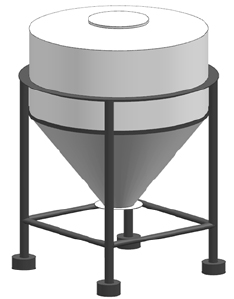
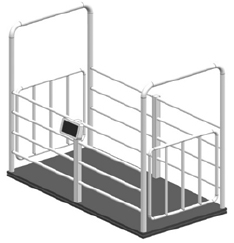
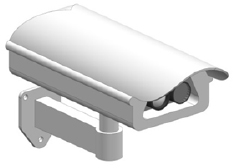
이 표준은 돼지 사양관리기기 중 자동급이기, 자동체중선별기, 잔량 측정 사료빈, 체중계, 영상수집장치로부터 정확한 데이터를 안정적으로 수집하기 위한 기준을 규정한다.
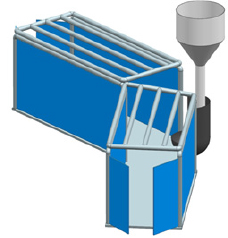
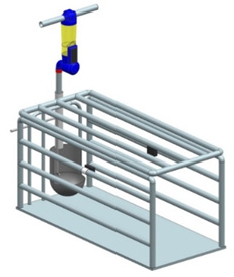
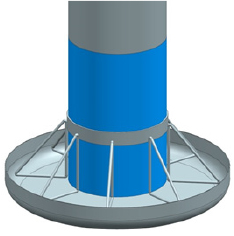
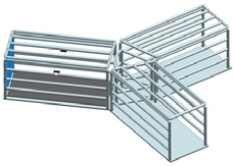
Table 6은 각 사양관리기기가 준수해야 할 송출 데이터 및 측정 기준을 보여준다. 각 기기로부터 수집되는 데이터의 호환성을 확보하기 위해 송출 데이터 항목과 단위, 형태 등을 정의하고 있으며, 수집된 값의 품질 확보를 위해 각 기기가 수집하는 데이터의 범위, 허용오차 등을 규정하고 있다. 또한, 습도가 높고 분진이 많은 돈사 환경에서의 안정적 동작을 위해 모든 사양관리기기에 대해 IP56 방수/방진 등급을 만족하도록 규정하고 있다.
Table 6.
Standard for swine feeding equipment(RDA, 2022).
|
Equipment
|
Requirements
|
Automatic
feeder for group breeding sow
 |
① Transmitting Data
- Equipment number: ID(unique integer)
- Sow number: ID(unique integer)
- Setting feeding amount: kg(0.1kg unit, float)
- Actual feeding amount: kg(0.1kg unit, float)
- Num. of actual feeding: num./day(integer)
- Actual feeding time: YYYMMDDThhmmss
② Measurement
- Feeding amount tolerance: ±5 %
|
Automatic
feeder for sow in stall
 |
① Transmitting Data
- Equipment number: ID(unique integer)
- Sow number: ID(unique integer)
- Setting feeding amount: kg(0.1kg unit, float)
- Num. of setting feeding: num./day(integer)
- Setting feeding time: YYYMMDDThhmmss
- Actual feeding amount: kg(0.1kg unit, float)
- Num. of actual feeding: num./day(integer)
- Actual feeding time: YYYMMDDThhmmss
② Measurement
- Feeding amount tolerance: ±5 %
|
Automatic feeder with wet feed
 |
① Transmitting Data
- Room Number: ID(unique integer)
- Equipment number:ID(unique integer)
- Actual feeding amount: kg(0.1kg unit, float)
- Actual water amount: L(1L unit, integer)
② Measurement
- Feeding amount tolerance: ±5 %
- Water level measurement tolerance: ±5 %
- Flow meter accuracy: ±5 %
|
Automatic sorting scale
 |
① Transmitting Data
- Equipment number: ID(unique integer)
- Setting weight: kg(1kg unit, integer)
- Num. of measured pigs: number(integer)
- Num. of passed pigs: number(integer)
- Measured weight: kg(1kg unit, integer)
② Measurement
- Range : (5~300) kg
- Minimum measurement unit: 1kg
- Tolerance: ±1 %
|
Feed bin with scale
 |
① Transmitting Data
- Equipment number: ID(unique integer)
- Measurement time: YYYMMThhmmss
- Weight: kg(1kg unit, integer)
② Measurement
- Range : (0~10 000) kg
- Minimum measurement unit: 1kg
- Tolerance: ±5 %
|
Smart scale
 |
① Transmitting Data
- Weight: kg(1kg unit, integer)
② Measurement
- Range : (0~300) kg
- Minimum measurement unit: 1kg
- Tolerance: ±1 %
|
Video inforamtion collection devie
 |
① Transmitting Data
- Real-time video or recording fiile
② Measurement
- Video storage period: minimum 7 days
|
(3) 제3부: 소(KS B 7956-3)
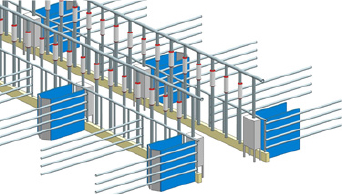
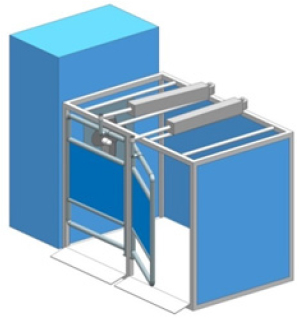
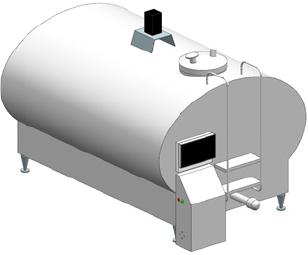
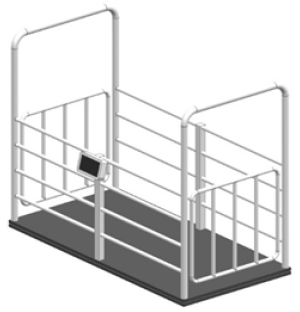
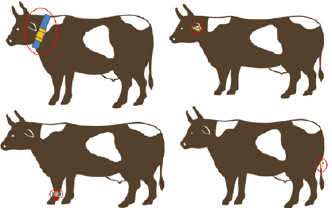
이 표준은 한우, 육우, 젖소 등 소 사육을 위해 사용되는 사양관리기기 중 군사식 자동급이기, 송아지 자동포유기, 스마트 원유 냉각기, 체중계, 생체정보 수집장치, 잔량 측정 사료빈, 영상수집장치로부터 정확한 데이터를 안정적으로 수집하기 위한 기준을 규정한다.
Table 7은 각 사양관리기기가 준수해야 할 송출 데이터 및 측정 기준을 보여준다. ‘제2부: 돼지(KS B 7956-2)’와 마찬가지로 각 기기로부터 수집되는 데이터의 호환성과 품질을 확보하기 위해 필요한 송출 데이터 및 측정 요구사항 등에 대해 규정하고 있다. 또한, 분진이 많고 개방되어있는 우사 환경에서의 안정적 동작을 위해 모든 사양관리기기에 대해 IP56 방수/방진 등급을 만족하도록 규정하고 있다.
Table 7.
Standard for cattle feeding equipment(RDA, 2023).
|
Equipment
|
Requirements
|
Automatic
feeder
 |
① Transmitting Data
- Equipment number: ID(unique integer)
- RFID tag number: ID(unique integer)
- Cattle number: ID(unique integer)
- Setting feeding amount: kg(float)
- Actual feeding amount: kg(float)
- Num. of setting feeding: num./day(integer)
- Num. of actual feeding: num./day(integer)
- Actual feeding time: YYYMMDDhhmmss
② Measurement
- Range: (0~10) kg
- Feeding amount minimum unit: 0.1 kg
- Feeding amount tolerance: ±5 %
|
Automatic
calf feeder
 |
① Transmitting Data
- Equipment number: ID(unique integer)
- RFID tag number: ID(unique integer)
- Cattle number: ID(unique integer)
- Setting feeding amount: L/day(float)
- Actual feeding amount: L/day(float)
- Num. of setting feeding: num./day(integer)
- Num. of actual feeding: num./day(integer)
- Actual feeding time: YYYMMDDhhmmss
② Measurement
- Range: (0~5) L
- Feeding amount minimum unit: 0.1 L
- Feeding amount tolerance: ±5 %
|
Smart raw milk cooler
 |
① Transmitting Data
- Equipment number:ID(uniqe integer)
- Storage volume: L(integer)
- Storage temperature(integer)
- Actual feeding time: YYYMMDDhhmmss
② Measurement
- Storage volume minimum unit : 1 L
- Storage volume tolerance: ±5 %
- Storage temp. rage: (0~50) °C
- Storage temp. minimum unit: 0.1 °C
- Storage temp. tolerance: ±0.5 %
- Data measuring interval: 10 min
|
Smart scale
 |
① Transmitting Data
- Equipment number:ID(uniqe integer)
- Weight: kg(1kg unit, integer)
- Measurment time: YYYMMDDhhmmss
② Measurement
- Range : (10~2 000) kg
- Minimum measurement unit: 1kg
- Tolerance: ±1 %
|
Physiological data monitoring sensor
 |
① Transmitting Data
- Equipment number: ID(uniqe integer)
- Cattle number: ID(unique integer)
- Body temperature: °C(float)
- Activity: %(integer)
- Number of ruminations: number(integer)
- Estrus detection: (0: None, 1: Detected)
- Delivery detection: (0: None, 1: Detected)
- Measurement time: YYYMMThhmmss
② Measurement
- Body temp. range: (0~50) °C
- Body temp. minimum unit: 0.1 °C
- Body temp. tolerance: ±1 %
- Activity range: (0~100) %
|
|
Feed bin with scale
|
Same as ‘KS B 7956-2’
|
|
Video inforamtion collection devie
|
Same as ‘KS B 7956-2’
|
(4) 제4부: 닭(KS B 7956-4)
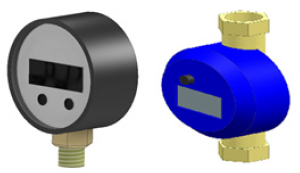
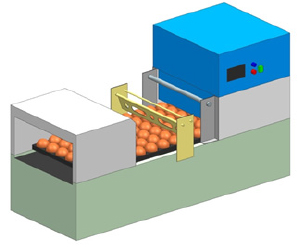
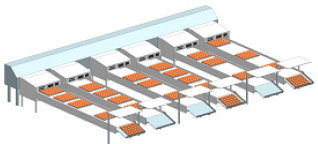
이 표준은 육계, 산란계 등 닭 사육을 위해 사용되는 사양관리기기 중 음수관리기, 파각란검출기, 계란선별기, 체중계, 잔량 측정 사료빈, 영상수집장치를 포함하며, 해당 사양관리기기로부터 정확한 데이터를 안정적으로 수집하기 위한 기준을 규정한다.
Table 8은 각 사양관리기기가 준수해야 할 송출 데이터 및 측정 기준을 보여준다. ‘제2부: 돼지(KS B 7956-2)’, ‘제3부: 소(KS B 7956-3)’와 마찬가지로 각 기기로부터 수집되는 데이터의 호환성과 품질을 확보하기 위해 필요한 송출 데이터 및 측정 요구사항 등에 대해 규정하고 있다. 또한, 분진이 많고 물을 사용하는 계사 환경에서의 안정적 동작을 위해 모든 사양관리기기에 대해 IP56 방수/방진 등급을 만족하도록 규정하고 있다.
Table 8.
Standard for chicken feeding equipment(RDA, 2023).
|
Equipment
|
Requirements
|
Drinking water meter
 |
① Transmitting Data
- Equipment number: ID(unique integer)
- Water pressure: Pa(float)
- Water amount: L/hour(float)
- Actual feeding time: YYYMMDDhhmmss
② Measurement
- Water pressure range: (0~1 000 000) Pa
- Water pressure minimum unit: 10 000 Pa
- Water pressure tolerance: ±0.5 %
- Water amount range: (0~40) L/min
- Water amount minimum unit: 0.1 L
- Water amount tolerance: ±1 %
|
Automatic cracked egg detector
 |
① Transmitting Data
- Equipment number: ID(unique integer)
- Num. of processed eggs: num./day(integer)
- Num. of cracked eggs: num./day(integer)
- Actual feeding time: YYYMMDDhhmmss
② Measurement
- Cracked egg undetected rate: within 7%
|
Automatic egg sorter
 |
① Transmitting Data
- Equipment number: ID(unique integer)
- Num. of processed eggs: num./day(integer)
- Num. by grade: num./day(integer)
- Actual feeding time: YYYMMDDhhmmss
② Measurement
- Weight range: (30~100) g
- Weight minimum unit: 0.1 g
- Weight tolerance: ±0.3 %
|
Smart scale
 |
① Transmitting Data
- Equipment number:ID(uniqe integer)
- Weight: kg(integer)
- Measurment time: YYYMMDDhhmmss
② Measurement
- Weight range: (0~5) kg
- Weight minimum unit: 0.01 kg
- Weight tolerance: ±3 %
|
|
Feed bin with scale
|
Same as ‘KS B 7956-2’
|
|
Video inforamtion collection devie
|
Same as ‘KS B 7956-2’
|
축산 스마트팜 국가 표준화 전망
앞서 살펴본 바와 같이 스마트팜 분야의 경우 농림축산식품부에서 ‘스마트팜 ICT기자재 국가표준 확산 지원사업’을 추진하고 있어 국가표준이 품질 향상과 호환성 향상을 위한 기준으로 활용될 수 있다. 축산 분야의 경우, 다양한 단체표준이 제정되고 있지만 농림축산식품부 사업과 연계하여 활용할 수 있는 국가표준은 총 5건으로 매우 부족한 상황이다. 단체표준의 고도화를 통한 국가 표준화와 더불어 다양한 국가표준 개발이 필요하다.
축산 스마트팜 분야에서 우선적으로 필요한 표준은 용어 표준이다. 축산 스마트팜 기기 및 스마트팜 기기를 포함하여 축산 현장에서 발생되는 데이터에 대한 통일된 명칭과 정의가 없어 농가, 기업체 및 학계 등에서 동일한 기기나 데이터를 서로 다른 명칭이나 의미로 사용하는 경우가 많다. 표준 개발시에도 표준 문서에 사용된 용어의 명칭과 정의가 일관되지 않아 표준 개발 및 문서 품질관리에도 어려움이 있다. 따라서, 축산 스마트팜에서 동일한 용어를 사용할 수 있도록 용어를 표준화하는 것이 시급하다.
다음으로는 기 제정된 국가표준에서 규정하고 있는 규격에 대한 검증 방법 및 절차 표준이 필요하다. 앞서 살펴본 ‘스마트 축사를 위한 센서 인터페이스(KS X 3279)’와 ‘축산 사양관리기기 데이터 수집 기준(KS B 7956-1~4)’에서 기기의 규격에 대해 정의하고 있지만 해당 규격을 시험할 수 있는 검증 방법 및 절차에 대한 표준은 부족한 상황이라 현장에서는 스마트팜 기기가 국가표준에 부합한지 아닌지를 검증하지 못하는 경우가 있다. 따라서, 축산 스마트팜의 품질 및 호환성 검증 체계를 구축할 수 있도록 검증 방법 및 절차에 대한 표준화가 이루어져야 한다.
마지막으로 통신 인터페이스 및 메타데이터 표준이 필요하다. 데이터 기반의 축산으로의 전환을 추진하면서 데이터의 중요성은 더욱 강조되고 있지만, 업체별로 통신 방식 및 프로토콜이 다양하고 메타데이터가 표준화 되어있지 않아 데이터 수집 및 활용에 어려움이 있다. 따라서, 스마트팜 기기간 호환성과 데이터 활용성을 높이기 위한 통신 인터페이스 및 메타데이터에 대한 표준화가 필요하다.
결 론
인공지능 기술의 발전에 따라 축산 분야에서도 경험에 의존하던 기존의 가축관리 방식을 인공지능을 활용한 데이터 기반의 가축관리 방식으로 전환하기 위한 노력이 이루어지면서, 스마트팜 기기와 데이터의 품질 및 호환성 향상을 위한 표준화의 중요성은 더욱 강조되고 있다.
아직 미흡한 축산 분야의 용어, 스마트팜 기기 검증 방법 및 절차, 통신 인터페이스 및 메타데이터 등에 대한 국가 표준화가 이루진다면 이는 스마트팜 기기와 데이터의 품질 및 호환성 향상으로 이어질 것이다. 이를 통해 축산 농가에서는 스마트팜 기기에 대한 만족도가 높아질 것이고 산업 측면에서는 축사에서 발생되는 스마트팜 기기 및 관리작업 데이터의 수집이 용이해져 데이터를 활용한 기술 및 서비스 개발에도 도움이 될 수 있을 것이다. 축산 스마트팜은 한 단계 도약을 위한 준비를 하고 있는 시점이다. 따라서, 앞서 언급한 표준 외에도 축산 스마트팜 기술 발전의 기반이 될 수 있는 다양한 국가표준이 필요한 시점이다.